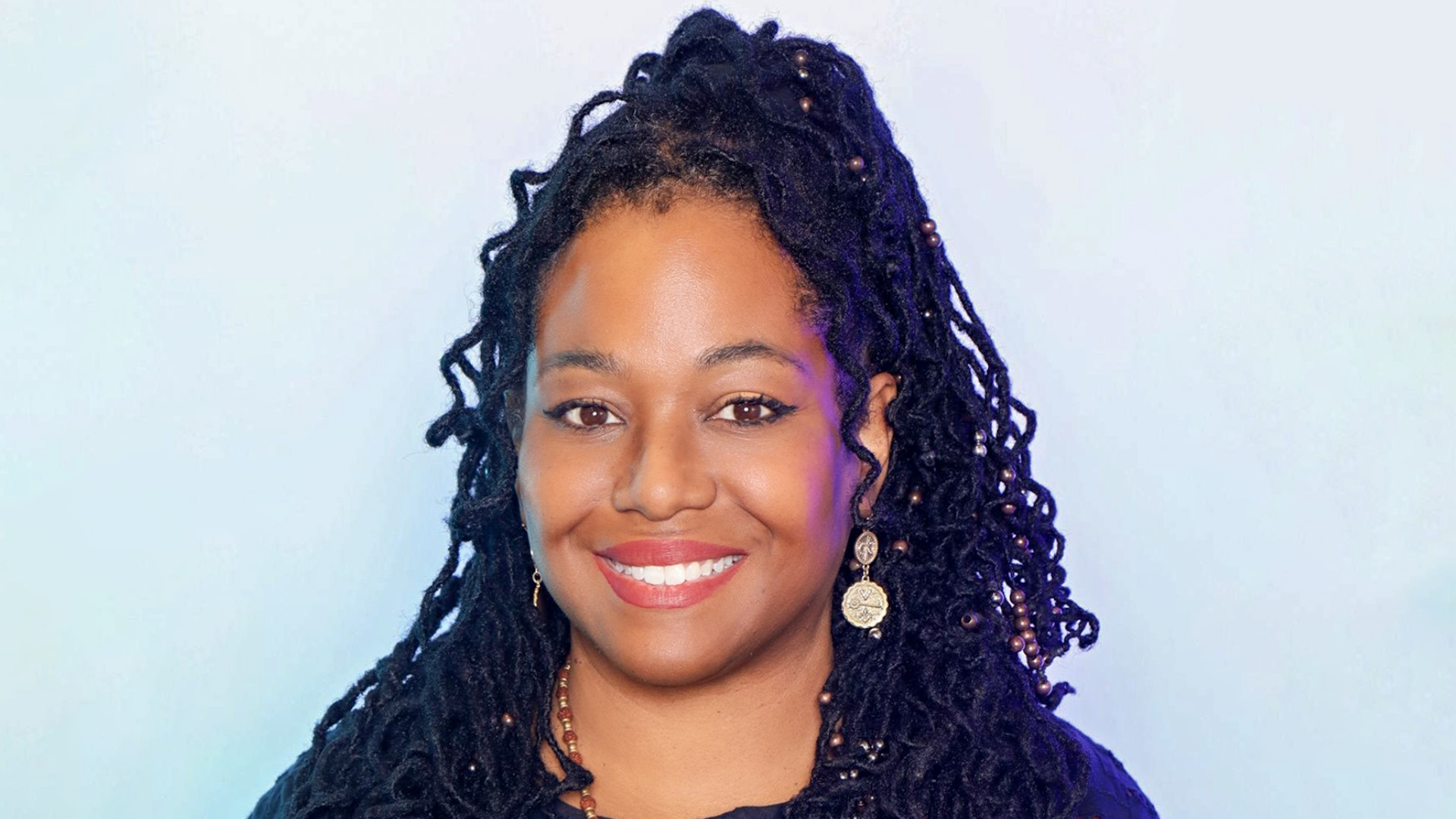
Tech founder Meamya Christie believes human-centered design should be a priority in healthcare innovation.
Christie spent eight years in healthcare, working in neurology, psychiatry, and cardiology. She also stayed interested in how technology played a role in the field, but told AFROTECH™ that her interests became more commercial as she grew curious about how others define wellness in their lives.
She left the healthcare industry and began to focus on tech. She introduced a mobile asthma education concept, which she entered into several competitions, including with Verizon and Microsoft. At the time, she recognized there was a learning curve required, leading her to learn about UX design and to enroll in a human-centered design through a massive open online course (MOOC) and a Mobile Health Without Borders course at Stanford University. The latter focused on delivering healthcare through mobile devices beyond the clinic.
While the concept never advanced to the beta stage, she continued exploration of technology-driven healthcare solutions. Christie’s most recent venture is Motif Metrics, a portfolio company that launched this summer. Described on LinkedIn as a “research and platform design studio working at the intersection of wellness, place, and culture,” the venture includes Delala, a platform designed for individuals, families, caregivers, and care teams. Delala uses AI to consolidate notes from an individual care session, helping users track important daily activities, including meals, medication, bathroom use, and bathing.
“I want to create products that people use and find meaningful and that they are actually able to find some version of wellness or something helpful within those platforms that I create,” she told AFROTECH™.
Paying attention to technological innovations and aging populations, Christie is concerned with how technology is being introduced broadly and how it feels to the individual, who may not fully understand it. Gaining patient trust should be a priority when implementing AI in healthcare.
“I’ve attended a few webinars and I’m listening to some of the physicians and the conversations that are out there in age tech, and trust is one of the hot topics right now,” she said. “Simply because a lot of, especially older people, they do not trust AI. … Trust is something that I think when you bring AI on, just making sure that it’s not something that’s hidden, maybe finding a way to describe how you’re using the data so that it can build trust later on or as you use it, maybe understanding … how people’s minds work when they hear the term AI and how it relates to care.”
Christie also points to the importance of human-centered design in understanding who a product is being built for. Even with Motif Metrics, she says she’s continuing to learn about its users and is intentional about not rushing products to market. Instead, she focuses on creating solutions that address the real needs of healthcare staff and the people who will use them.
She further notes that having AI in a product doesn’t ensure it’s being “designed properly.”
“Tech is not going anywhere … People really, they want to trust tech, but I feel like it’s not always accessible or it’s not always useful in a way that actually works for the people it’s supposed to be designed for,” she said. “I do think that we could get back to old-school human-centered design techniques of finding out where people actually are and who the audience actually is, and then designing around their needs.”
Christie also notes that as AI technology providers grow, hospitals and agencies can struggle to identify the solutions best suited to their needs, sometimes realizing they’ve made a misaligned choice after contracts are signed.
“You might find out later that another platform might have been a better choice. I think there needs to be some type of matchmaking assistance in there,” she said.